|
| Can You Say TAROCCO? |
Three Things to Eat in Winter in Italy
plus Carnival Treats that Come only Once a Year

Blood Oranges
Supposedly the
orange first arrived on the Italian peninsula in the 17th century,
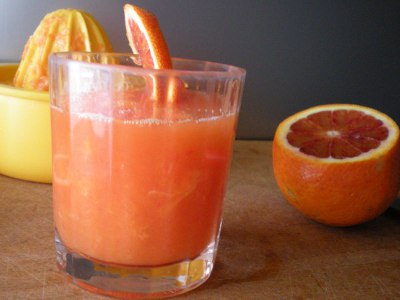
brought back from the East by a Jesuit priest. Today the Tarocco blood orange is the most popular orange in Italy for good
reason. Grown in Sicily, it is juicy, seedless, easy to peel and usually
sweeter than the more intensely red Moro
and Sanguinello varieties. Mounds of
brightly colored oranges are the highlight of fruit stalls during the dark
winter months. Packed with nutrition, they have more Vitamin C than navel
oranges (or “blonds” as the Italians call them), and the flavonoids that contribute
their distinctive red hue also provide a sizable dose of the precious
antioxidant anthocyanin. Enjoy as a snack, a dessert, freshly squeezed into a
pulpy juice that can be ordered at any coffee bar, or try in a Sicilian salad
of oranges, sliced bulb fennel, and black roasted olives.
 |
| Carciofi alla Giudia |
Artichokes
Chilean poet
Pablo Neruda once wrote an “Ode to Artichokes” comparing them to armed warriors
with tender hearts. Both fall and spring varieties are cultivated in Italy,
which boasts the largest production in the world. The Romanesco artichoke, harvested from February to April, is used for
succulent, deep-fried “Carciofi alla
Giudia”, a classic staple of restaurants in the Jewish Ghetto in Rome. While
kitchen hands are busy shucking and cleaning the vegetables in the back, perfectly stacked pyramids of artichokes set
in front of the restaurants advertise the specialty to passers by. Equally
delicious are the tender and flavorful “Carciofi
alla Romana” braised in broth, olive oil, garlic, parsley and mint. A word of warning: the Italian word for
artichoke, “carciofo”, can be used informally to describe a dull, foolish man.
 |
| Caldarroste |
Chestnuts
 |
| Castagnaccio |
Although November
is the month for the chestnut harvest, in wintertime as well vendors of hot roasted
chesnuts can be found all over Rome, selling their toasty wares in paper cones.
For many Italians, the appearance of chestnuts in the markets marks the
beginning of autumn, and also explains the presence of skillets with holes in
kitchenware shops; these curious pans are used to roast le castagne over a fireplace or even on stovetop burners. Because
of their rich nutritional content, they have been referred to as “the grain
which grows on trees”, and indeed are also dried and ground into chestnut flour,
which is used to make Castagnaccio, a savory pudding
dressed with pine nuts, raisins, olive oil and rosemary.
Carnival Treats
 |
| Frappe |
 |
| Castagnole |
Two of the
most common carnival treats in Rome can only be found in period of Carnival in
February and are synonymous with cold weather, costumed revellers, parades and
confetti.
Frappe, also known as Bugie (lies), Chiacchiere
(chatter), or Cenci (rags) are ripply,
crispy, flaky sheets of deep-fried dough dusted with powdered sugar or drizzled
with chocolate.
Castagnole resemble donut holes: dense lumps of sweet cake, often flavored with
a hint of citrus, that are deep fried or baked, soaked in rum or Alchermes and
rolled in granulated sugar.
Tip: when
buying sweets in bakeries or pastry shops it is customary to purchase by
weight. The most common unit of measurement is the etto, or 100 grams, (plural etti).